- DATE:
- AUTHOR:
- Cvent Product News Team

Product Releases For February 26, 2026
Explore the newest Splash features
Custom JSON for HTTP Integrations
What’s new:
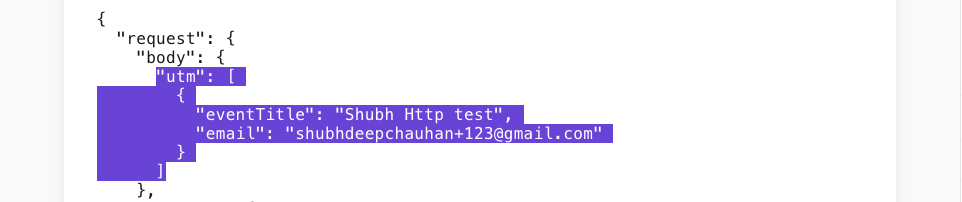
Custom JSON for HTTP integrations: send clean, nested data (like UTM arrays) to your systems without custom code.
You can now use a new Custom JSON mapping type in Splash HTTP integrations to send full JSON objects or arrays, not just flat key–value pairs.
A new
|json_valuefilter makes dynamic tag values (like form answers) safe to drop directly into JSON, even if they include quotes or special characters.Basic front-end validation checks your Custom JSON before saving, so clearly broken JSON gets flagged early.
This is available to all Splash customers using HTTP integrations at the event or org level, and continues to work with existing Activity Logs for visibility into each call and payload.
Why it matters:
Marketers and RevOps teams often need registration data from Splash to land in tools like Salesforce in a very specific JSON structure — for example, UTM values captured on your forms stored in a nested array for clean attribution reporting.
Before this release, HTTP integrations from Splash could only send flat JSON, which made it hard (or impossible) to match these more complex payloads without extra middleware or custom code.
Dive Deeper:
Now you can:
Match any JSON shape your downstream system expects.
Define the exact JSON fragment (object or array) you need in the mapping, and Splash injects it as-is into your outbound payload.Safely pass dynamic values, even messy ones.
The|json_valuefilter escapes quotes and other characters so you don’t have to worry about a registrant’s answer breaking your JSON and blocking your integration.Keep attribution clean and consistent.
For use cases like UTM tracking into Salesforce’s Mars API, you can now send nested UTM arrays directly from Splash and close gaps in attribution reporting.Troubleshoot with confidence.
Every HTTP call still appears in the Splash Activity Log, so you can see exactly when the integration fired and what JSON was sent for each registration.
In short: you get more flexible, more reliable data flows from Splash to your downstream tools — no extra integration layer required.